
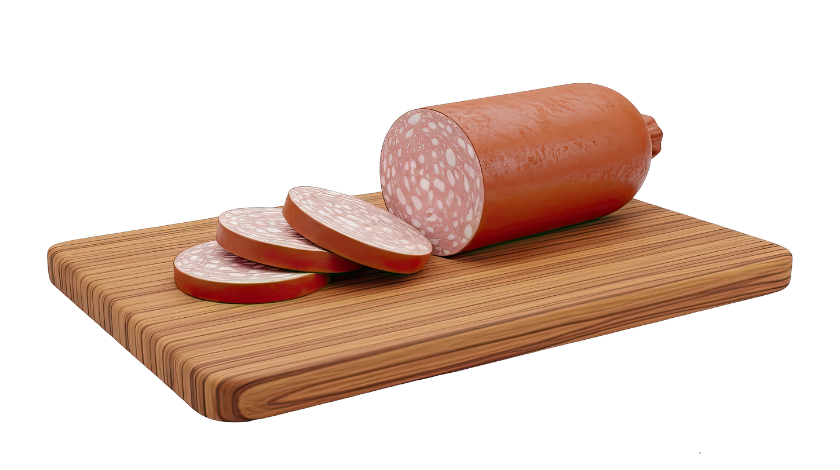
There is a specific smell that hits you when you walk into an authentic Italian salumeria or deli. It is a mix of aged cheese, vinegar from the antipasti jars, and the sweet and musky scent of cured pork. For me, that smell triggers an immediate hunger that is hard to satisfy with just any sandwich. While many people rush toward the Prosciutto di Parma or the spicy Soppressata, there is a giant, pink cylinder sitting in the deli case that often gets overlooked by Americans. I am talking about Mortadella. If you grew up in the United States, you might look at it and think it is just bologna with weird white chunks in it. I am here to tell you that you are wrong. Comparing real Italian Mortadella to American bologna is like comparing a vintage Ferrari to a used tricycle. They both have wheels, but the experience is entirely different. Mortadella is not mystery meat. It is a product of history, strict regulations, and culinary passion that dates back centuries.
Let us start by defining what this meat actually is because there is a lot of confusion surrounding the ingredients. Real Mortadella, specifically Mortadella Bologna IGP, is a heat-cured pork sausage. It is made primarily from pork shoulder and pork loin. The meat is ground down into an extremely fine paste. I mean it is ground so finely that it becomes an emulsion, which gives the final product a silky and velvety texture that melts in your mouth. But it is not just pink meat. The magic lies in the white cubes you see suspended in the pink paste. Those are called lardons. They are cubes of high-quality fat, usually taken from the throat of the pig, which is the hardest and most flavorful fat. These cubes do not melt during the cooking process. Instead, they provide a creamy texture and sweetness when you bite into a slice. Additionally, you will often find green pistachios or black peppercorns dotted throughout the meat. This combination creates a flavor profile that is savory, slightly sweet, and incredibly aromatic.
I remember the first time I truly understood the difference between this and the lunch meat I brought to school as a kid. I was traveling through the Emilia-Romagna region of Italy, which is the food capital of the country. I ordered a simple sandwich on Rosetta bread. It had nothing on it but heaps of thinly sliced Mortadella. The first bite was a revelation. It tasted of roasted spices, specifically myrtle berries and coriander, and the fat just coated my tongue in the most pleasant way possible. It was elegant. That is a word rarely used to describe lunch meat, but Mortadella is elegant. It is a product that commands respect. The production is so strictly guarded that the European Union gave it PGI status, which stands for Protected Geographical Indication. This means that for a product to carry the name Mortadella Bologna, it must be produced in specific regions of Italy using traditional methods and precise ratios of meat to fat. This is serious business for the Italians, and once you taste it, you understand why.
Now we have to address the elephant in the room, which is the comparison to American bologna. This is usually the main reason people hesitate to buy it. They have memories of slimy, rubbery circles of meat that smell like plastic. American bologna is loosely based on Mortadella, but the industrialization of food in the 20th century stripped away all the quality. American bologna is often a mix of pork, beef, chicken, and turkey, mechanically separated and blasted with corn syrup and preservatives. It lacks the texture and the distinct spice blend of the original. Real Mortadella is strictly pork. The spices are natural. The cooking process is slow. Huge ovens circulate dry hot air to cook the massive sausages for hours or even days depending on the size. This slow roasting is what gives it that distinct aroma. When you put American bologna in a frying pan, it cups up and burns. When you put Mortadella in a pan, the fat renders out slowly, and the edges become lacy and crisp like bacon. There is simply no comparison.
When it comes to eating this delicacy, simplicity is usually best, but there are some combinations that will blow your mind. The most famous usage in the United States is probably the Muffuletta sandwich from New Orleans. This sandwich is a beast. It uses layers of Mortadella, salami, ham, and cheese, all topped with a tangy olive salad. The richness of the Mortadella balances the acidity of the olives perfectly. However, my personal favorite way to eat it is much simpler. Get some fresh focaccia bread, drizzle it with a little bit of high-quality olive oil, and pile the meat on. You want the slices to be paper-thin. When the meat is sliced thin, the air gets between the layers, enhancing the flavor. If the slice is too thick, the texture becomes chewy and less pleasant. Another fantastic way to serve it is as an appetizer. You can ask your deli guy to cut a slice that is about an inch thick. take that slab home, cut it into cubes, and serve it with toothpicks and a drizzle of balsamic glaze. It makes for a fantastic snack alongside a cold beer or a glass of Lambrusco wine.
Let’s talk about cooking with it because many people only think of it as a cold cut. Mortadella loves heat. I recently tried a recipe where I made a mousse. I took the meat and blended it in a food processor with a little bit of heavy cream and ricotta cheese until it was the consistency of whipped cream. I piped that onto little crostini and topped it with a crushed pistachio. It was the hit of the party. The flavor is concentrated, and the texture is like a cloud. You can also use it as a pizza topping. If you put it on the pizza before you bake it, the fat will render and flavor the tomato sauce. If you put it on after the pizza comes out of the oven, the residual heat will just barely warm the fat, keeping that silky texture intact. Both ways are delicious, but I prefer putting it on after baking to preserve the delicate nuances of the spices.
From a nutritional standpoint, we have to be honest with ourselves. This is a fatty meat. That is why it tastes so good. It is high in calories and sodium. However, the fat in Mortadella is mostly monounsaturated fat, which is the same kind of fat found in olive oil. It is not something you want to eat a pound of every single day, but as a treat, it is actually quite satisfying because it is so rich. You end up eating less of it to feel satisfied compared to lean turkey or ham. When I am building a charcuterie board, I always include it because it offers a break from the hard, salty cured meats like salami and prosciutto. Its softness provides a necessary contrast on the board. Plus, the pink color looks beautiful against the yellow cheeses and dark crackers.
When you go to the store to buy it, you need to look for a few specific things to ensure you are getting the good stuff. First, look at the color. It should be a uniform, lively pink. If it looks gray or dull, walk away. Second, look at the fat cubes. They should be pearly white and evenly distributed. They should not be yellowing or separating from the meat. Finally, check the label. You want to see “Mortadella Bologna IGP” or at least “Imported from Italy.” There are some domestic American brands that are making decent versions now, such as Boar’s Head, which uses traditional recipes, but if you can find the imported Veroni or similar brands, you are in for a treat. Also, never buy it pre-sliced in a vacuum sealed package if you can avoid it. The magic of this meat happens when it is freshly sliced. Once it sits in plastic for weeks, it loses that oxidation that releases the aroma. Stand at the counter, talk to the butcher, and ask for a sample.
One of the most interesting aspects of Mortadella is how it bridges the gap between high and low culture. In Italy, it is often seen as a worker’s food, something affordable to put in a panino for lunch. Yet, at the same time, it is served in Michelin-starred restaurants in Bologna as part of tortellini filling. The famous Tortellini en Brodo (tortellini in broth) relies heavily on Mortadella for its filling. It adds a depth of flavor that raw pork just cannot provide. This versatility is what makes it a staple in my kitchen. I keep a chunk in the fridge to dice into pasta sauces, to fold into scrambled eggs, or just to eat while I am standing there with the refrigerator door open at midnight. It is comfort food in its highest form.
If you have hesitated to try it because of the pistachio nuts, I understand that concern. Some people just do not like nuts in their meat. However, the pistachios are usually not salted, so they provide a textural crunch rather than a salty interference. They also look beautiful, like little emeralds stuck in the meat. If you have a nut allergy, you clearly need to be careful, but some varieties come without pistachios. You just have to ask. The pepper variance is also common. Some have whole black peppercorns that give a spicy burst when you bite them. I personally love the peppercorn version because it cuts through the richness of the fat, but the pistachio version is the classic look that everyone recognizes.
In closing, I encourage you to look past the American bologna trauma of your childhood and give true Italian Mortadella a chance. It is a food that tells a story of a specific place and a specific people who care deeply about what they eat. It is luscious, aromatic, and deeply satisfying. Whether you eat it draped over a warm piece of bread, fried until crispy, or blended into a fancy mousse, it delivers a culinary experience that is hard to beat. Next time you are at the deli counter, ignore the turkey for once. Point to that big pink cylinder and ask for a quarter pound, sliced thin. Your taste buds will thank you.
Conclusion
Mortadella is far more than a sandwich filler. It is a testament to Italian culinary craftsmanship, blending simple ingredients like pork, fat, and spices into a product that is texturally sublime and flavorful. By understanding its history, how it differs from American bologna, and the various ways to prepare it, you unlock a new layer of gastronomic enjoyment. It serves as a reminder that sometimes, the foods we overlook or misunderstand are actually the ones with the most character. So, grab a slice, enjoy the melt-in-your-mouth texture, and appreciate the “Pink Gold” of Bologna.
Frequently Asked Questions (FAQ)
1. Is it safe to eat Mortadella during pregnancy?
Generally, Mortadella is a cooked meat, unlike prosciutto or salami which are cured raw. However, pregnant women are often advised to avoid cold cuts due to the risk of listeria, which can grow on meats after they are sliced. If you want to eat it while pregnant, it is usually recommended to heat it until it is steaming hot (over 165°F) to kill any potential bacteria. Always consult your doctor for the best advice.
2. How long does Mortadella last in the fridge?
Because it is a moist sausage, it does not last as long as dry-cured salami. Once sliced, it is best eaten within 3 to 5 days. It starts to lose its flavor and oxidize quickly. If you buy a whole chunk, it can last longer, but you should wrap it tightly in plastic wrap and then foil to keep the air out.
3. Why are there green things in my meat?
Those are pistachios! They are a traditional addition to the recipe in certain regions. They add a slight crunch and a nutty flavor that complements the rich pork fat. If you are allergic to nuts, you must be very careful and ask the deli staff to check the label, as not all versions contain them, but many do.
4. Can I freeze Mortadella?
Technically, yes, you can freeze it, but I would not recommend it. The high fat content and the water in the meat mean that when it freezes and thaws, the texture changes. It can become watery and the fat can separate. It is much better enjoyed fresh. If you must freeze it, use it for cooking (like in a pasta sauce) later, rather than eating it cold on a sandwich.
5. Is Mortadella gluten-free?
Traditional Mortadella is made with pork, fat, and spices and usually does not contain gluten fillers. However, cross-contamination is possible in factories or at the deli slicer. If you have Celiac disease or a severe sensitivity, you should look for brands that are specifically certified gluten-free to be safe.