
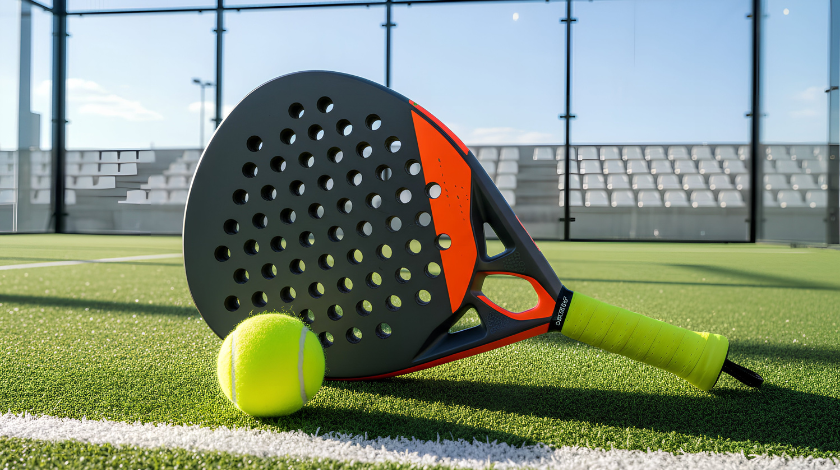
If you have spent even a few days in any major Dutch city recently, you have likely heard a very specific sound. It is not the ringing of bicycle bells or the splashing of canal water. Instead, it is a rhythmic, hollow “pock” sound. This is the sound of a padel ball hitting a glass wall. Padel has taken the Netherlands by storm in a way that very few sports ever have. What started as a niche activity played by a few expats and former tennis pros has turned into a national obsession. From the industrial warehouses of Amsterdam North to the sleek new sports complexes in Utrecht, NL Padel is everywhere. In this guide, I want to share my personal insights and a deep dive into what makes the Dutch padel scene so special, how you can get involved, and why this sport has become the heartbeat of Dutch social life.
The Phenomenon of NL Padel
The growth of padel in the Netherlands is nothing short of a miracle in the world of sports business. Just five or six years ago, if you asked a random person in Rotterdam what padel was, they might have guessed it was some kind of water sport involving a boat. Fast forward to today, and the KNLTB (the Royal Dutch Lawn Tennis Association) is seeing a massive shift. Tennis clubs across the country are ripping up their underused clay courts and installing three or four padel cages in their place. The reason is simple: padel is incredibly addictive. It combines the best parts of tennis, squash, and social networking. Because the Netherlands is a small, densely populated country, the space-saving nature of padel courts makes them a perfect fit for urban planning. You can fit three padel courts in the space of one tennis court, and since it is always played as doubles, you have twelve people playing in the same area where previously only two or four would be.
I remember the first time I walked into a dedicated padel club in the Netherlands. It was a converted warehouse with high ceilings and a smell of fresh coffee and grip tape. There was a sense of energy that you just do not always find at traditional tennis clubs, which can sometimes feel a bit stiff or formal. In the Dutch padel scene, the barriers to entry are very low. You do not need to have played sports your whole life to have a good time. The rackets are short, there are no strings to worry about, and the underhand serve means you are actually playing a rally within minutes of picking up the gear. This accessibility is the engine behind the NL Padel boom.
Understanding the KNLTB and the Ranking System
One of the most organized aspects of NL Padel is how it is governed. Unlike some countries where padel is a bit of a “Wild West” of independent clubs, the Netherlands has integrated padel into the KNLTB. This was a smart move because it gave the sport an instant infrastructure. When you join a club that is affiliated with the KNLTB, you get a “speelsterkte” or a player rating. This rating usually goes from 9 (absolute beginner) down to 1 (professional level). Most casual players find themselves somewhere between a 7 and a 5.
This ranking system is vital for the Dutch ecosystem because it makes finding a competitive match very easy. If you are a level 7 player, you do not want to play against a level 3 player because you will get crushed, and you do not want to play against a level 9 because it will be too slow. The Dutch love efficiency, and the ranking system ensures that everyone has a challenging yet fair game. I have spent many evenings checking my ranking after a tournament, feeling that mix of frustration and motivation that only a competitive ranking can provide. It turns a simple hobby into a journey of constant improvement.
Where to Play: The Best Clubs and Booking Systems
If you are looking to play padel in the Netherlands, you need to download the Playtomic app immediately. In the NL Padel world, Playtomic is the king of booking. It is the platform that almost every major club uses. You can see court availability in real-time, split the payment with your friends, and even find open matches if you do not have a full group of four.
In Amsterdam, you have iconic spots like “The Padel Club” at Olympiaplein or the massive indoor facilities like “Peak Padel.” If you move toward Utrecht or Eindhoven, you will find “Plaza Padel,” which often feels more like a lifestyle brand than just a sports center. These clubs are designed with a “lounge” feel. They want you to stay after your match. This leads us to one of the most important parts of the Dutch padel experience: the “Borrel.” In the Netherlands, a borrel is a social gathering with drinks and snacks, usually bitterballen. The transition from the court to the bar is seamless. I have made more friends in the canteen of a padel club than I ever did in a traditional gym. There is something about sweating together for 90 minutes that makes grabbing a beer afterward feel earned.
The Battle with the Dutch Weather
We cannot talk about NL Padel without talking about the rain. The Netherlands is not exactly known for its sunny Mediterranean climate. This has led to a massive demand for indoor courts. Playing padel outdoors in the wind and rain is a unique challenge. The glass walls become wet, and when the ball hits the wet glass, it does not bounce up; it slides down like a stone. This can be incredibly frustrating for players who are used to the predictable bounces of an indoor court.
However, the Dutch are a hardy people. You will still see people playing outside in 5-degree weather wearing leggings and thermal shirts. But if you have the choice, the indoor “Padel Halls” are where the real action happens during the winter months. These halls are often repurposed industrial spaces, which gives them a cool, gritty vibe. The acoustics in these buildings can be loud, with the sound of several matches echoing off the metal roofs, but it only adds to the high-energy atmosphere. If you are planning to play regularly in the Netherlands, I suggest investing in a racket that has a bit more “grit” on the surface to help deal with the humidity and the occasional damp ball.
Equipment and Gear: Buying in the Netherlands
When it comes to gear, the Dutch market is quite sophisticated. There are several local shops, both online and physical, that cater specifically to NL Padel enthusiasts. While big global brands like Bullpadel, Nox, and Babolat dominate the scene, you also see a lot of local pride. Choosing a racket in the Netherlands often depends on where you play. If you play mostly indoors, you can go for a “power” racket with a harder core. If you are playing outdoors in the damp Dutch air, a “control” racket with a softer foam might be better to help you feel the ball when it gets heavy with moisture.
I always tell beginners not to rush out and buy a 300-euro racket immediately. Most Dutch clubs have high-quality rental rackets for about 5 euros. Try a few different shapes: round, teardrop, and diamond. In my experience, most Dutch players gravitate toward teardrop rackets because they offer a good balance. We Dutch people like things to be practical and versatile, and a teardrop racket is exactly that. It works for defense and it works for smashing. Also, do not forget the shoes. The sand-filled turf of Dutch courts can be slippery. You need specific padel shoes with a herringbone (clay) sole to ensure you do not slide into the glass and hurt yourself.
Training and Clinics: Levelling Up
Because the Dutch are quite competitive, the demand for padel lessons has skyrocketed. Almost every club offers “clinics.” These are usually group sessions where a coach teaches you the basics of the “Bandeja” or the “Vibora,” which are specific padel shots that do not exist in tennis. I remember my first clinic; I thought I would be great because I had played tennis as a kid. I was wrong. Padel requires a different way of thinking. You have to learn to let the ball pass you, hit the glass, and then play it on the rebound.
In the Netherlands, the coaching standard is quite high. Many coaches have come over from Spain to meet the demand, bringing with them years of tactical knowledge. Taking a few lessons is highly recommended because it prevents you from developing “tennis habits” that actually hurt your padel game. For example, in tennis, you want to hit the ball hard and away from the opponent. In padel, hitting it hard often just means the ball flies off the back glass and gives your opponent an easy smash. Learning the “Dutch style” of patient, tactical play will make you a much more popular partner in the Playtomic open matches.
The Future of Padel in the Netherlands
Is this just a fad? I don’t think so. The infrastructure being built is too permanent. Municipalities are now including padel courts in their public park plans. Schools are starting to offer it as a physical education option. The Netherlands has even started hosting World Padel Tour events, bringing the best players in the world to places like Amsterdam. This exposure is vital. When young kids see the pros hitting the ball out of the cage and running out the door to bring it back in, they get hooked.
The NL Padel community is also becoming more inclusive. While it started as a sport for people who could afford the somewhat high court fees (which can range from 20 to 50 euros per hour depending on the time and location), more “budget” options are appearing. Multi-sport passes like OneFit or Urban Sports Club also include padel, making it accessible to a younger, more nomadic crowd.
Personal Reflections on the Padel Community
On a personal note, padel has changed my social life in the Netherlands. In a country where it can sometimes be hard to break into new social circles, padel acts as a bridge. When you are on the court, your job, your background, and your language do not matter as much as your ability to put the ball deep into the corner. There is a shared language of “Nice shot!” and “Sorry!” that builds an immediate bond.
I remember playing a match in Rotterdam last year where our four players came from four different countries. We barely spoke the same language, but by the end of the match, we were laughing over a plate of bitterballen as if we had known each other for years. That is the magic of NL Padel. it is not just a sport; it is a social lubricant that fits perfectly into the Dutch way of life. It is efficient, it is social, it is competitive, and it is a lot of fun.
Conclusion
NL Padel is much more than a trend. It is a fundamental shift in how people in the Netherlands approach exercise and socializing. By combining the country’s existing love for racket sports with a modern, high-energy, and social atmosphere, padel has secured its place in the Dutch sporting landscape. Whether you are a seasoned pro with a level 3 ranking or a complete novice who has never held a racket, there is a place for you on the court. Just remember to book your court well in advance, bring your sense of humor for when the ball takes a weird bounce off the fence, and always stay for the “third set” at the bar. The Dutch padel scene is welcoming, vibrant, and growing every day.
Frequently Asked Questions (FAQ)
1. How much does it cost to play padel in the Netherlands?
Court prices usually vary between €25 and €50 per hour. Peak times (evenings and weekends) are more expensive. If you split this between four players, it is quite affordable, costing around €7.50 to €12.50 per person.
2. Do I need to be a member of a club to play?
No, most padel locations in the Netherlands operate on a “pay-and-play” basis. You can simply book a court via the Playtomic app without any long-term commitment. However, joining a club can give you a KNLTB ranking and cheaper rates.
3. Is padel a good workout?
Absolutely. While the court is smaller than a tennis court, the rallies are much longer. You are constantly moving, squatting, and reacting. It is a great cardiovascular workout that also improves your reflexes and coordination.
4. What should I wear for NL Padel?
In the summer or indoors, standard gym wear is fine. In the winter for outdoor courts, you should wear layers. The most important thing is your footwear; make sure you have padel or clay-court tennis shoes to prevent slipping.
5. How do I find people to play with if I don’t have a team?
The Playtomic app has a “Matches” feature where you can join existing games that are looking for extra players. You can also join local WhatsApp or Facebook groups dedicated to NL Padel in your specific city.